
Types of tea in the world: our top 10 most famous teas
Tea, a beverage cherished across cultures and centuries, offers a diverse and fascinating world of flavours, aromas, and traditions. From the bustling tea stalls of India to the serene tea ceremonies of Japan, this simple infusion of dried leaves from the Camellia sinensis plant (and various botanicals) has woven itself into the fabric of daily life for billions. Beyond a mere drink, tea is an experience, a ritual, and a journey for the senses.
While the varieties seem endless, understanding the top ten types of tea provides a wonderful foundation for any tea enthusiast. These categories are primarily defined by the processing methods applied to the tea leaves, which in turn dictate their oxidation level, resulting in distinct characteristics. From the robust and malty notes of black tea to the delicate sweetness of white tea, the earthy depths of Pu-erh, and the vibrant intensity of matcha, each type presents a unique story and a distinct palate. This exploration will guide you through these prominent teas, highlighting what makes each one special and why they’ve captivated drinkers around the globe.
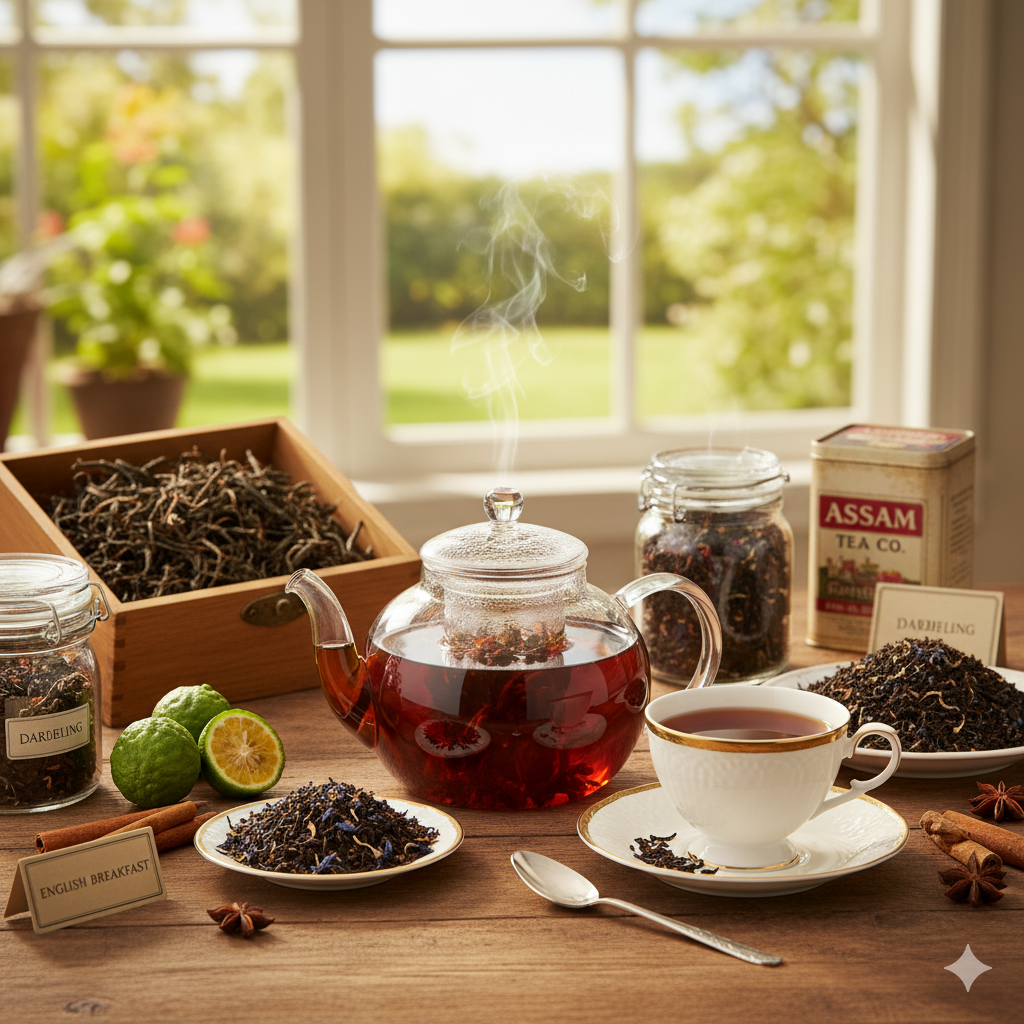
Black Tea: Fully oxidised tea, known for its robust flavour and often higher caffeine content. Popular varieties include Assam, Darjeeling, Earl Grey, and English Breakfast.
Origins: China, India (Assam, Darjeeling), Sri Lanka (Ceylon), Kenya
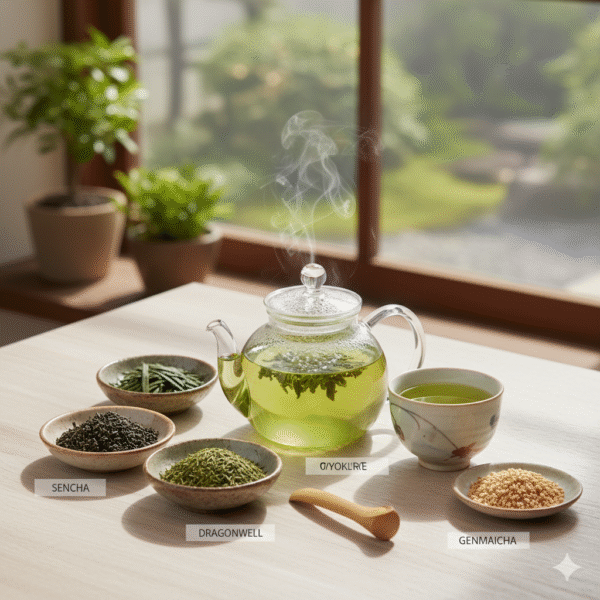
Green Tea: Minimally oxidised tea, offering a fresh, sometimes grassy or vegetal flavour. Japanese sencha and Chinese Dragonwell are famous examples.
Origins: China, Japan
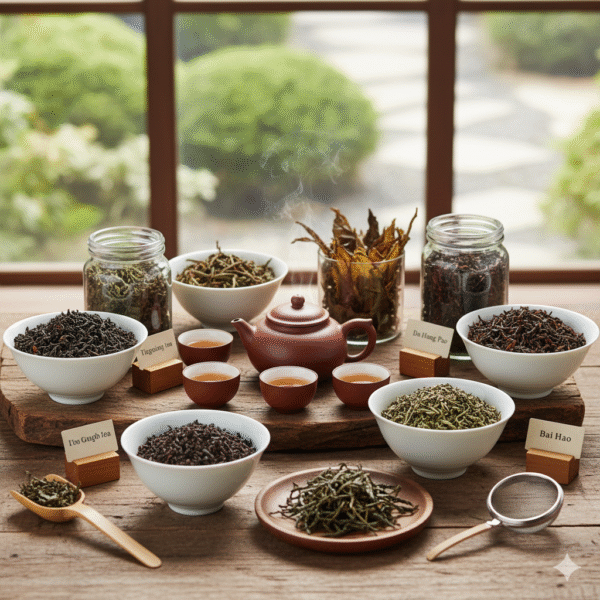
Oolong Tea: Partially oxidised tea, falling between green and black tea. Its flavour profile can range from light and floral to rich and toasty.
Origins: China (Fujian, Guangdong), Taiwan
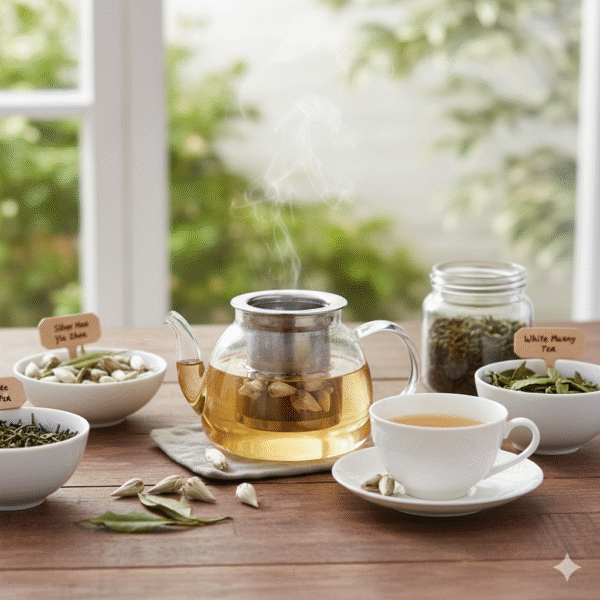
White Tea: The least processed of all teas, made from young tea leaves or buds. It has a delicate, subtle, and often sweet flavor.
Origins: China (Fujian), India, Sri Lanka
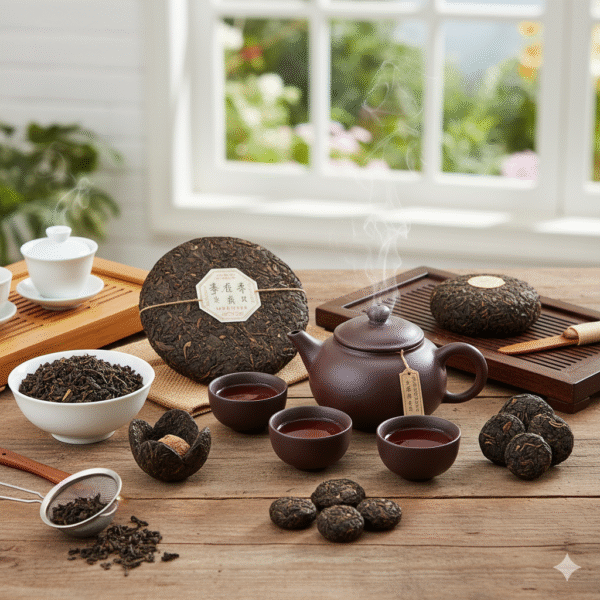
Pu-erh Tea: A fermented tea from Yunnan, China, known for its earthy and often aged flavor, which can improve over time like wine.
Origins: China (Yunnan Province)

Herbal Tea (Tisanes): While not technically from the Camellia sinensis plant, herbal teas are incredibly popular. They are infusions made from fruits, flowers, spices, or other botanicals. Examples include chamomile, peppermint, ginger, and rooibos.
Origins: Global (various botanicals)
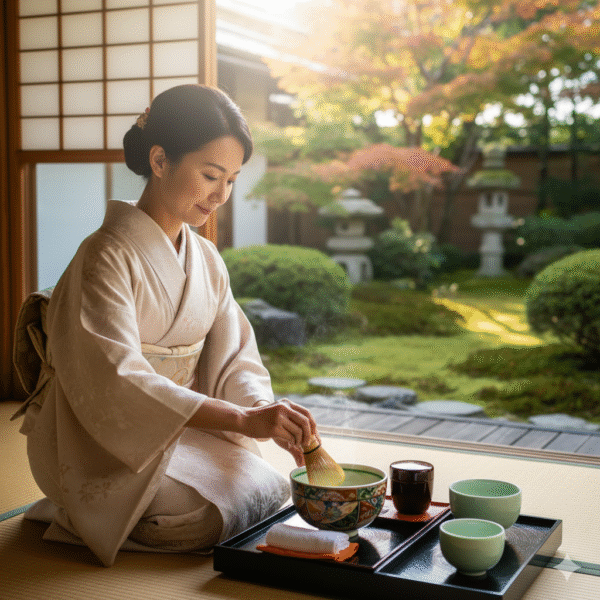
Matcha: A type of powdered green tea primarily from Japan, known for its vibrant green colour and intense, umami flavour. It’s traditionally used in Japanese tea ceremonies.
Origins: Japan
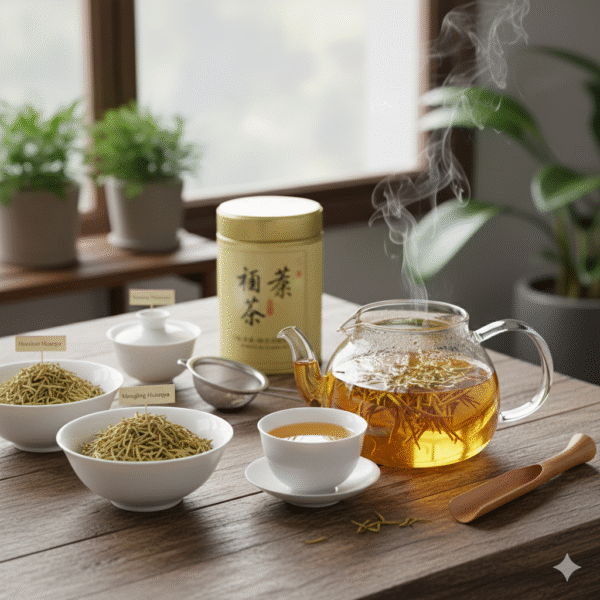
Yellow Tea: A rare and lightly fermented tea, similar to green tea but with a unique process that gives it a slightly mellower and less grassy taste.
Origins: China
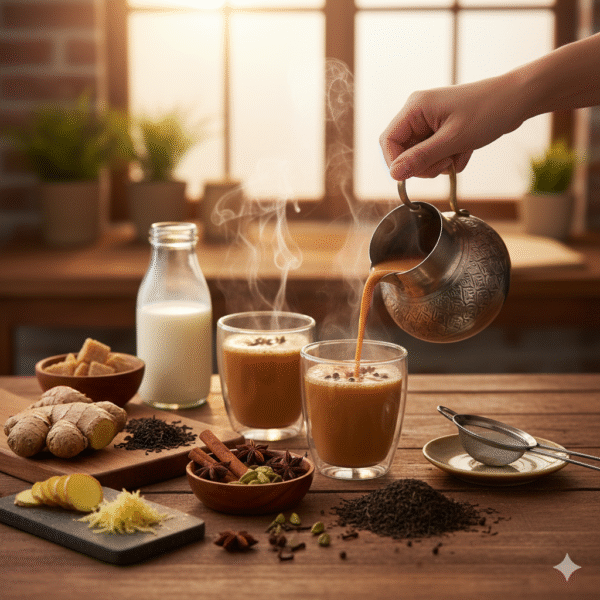
Chai (Masala Chai): A spiced tea beverage originating from India, typically made with black tea, milk, and a blend of aromatic spices like cardamom, ginger, cloves, and cinnamon.
Origins: India
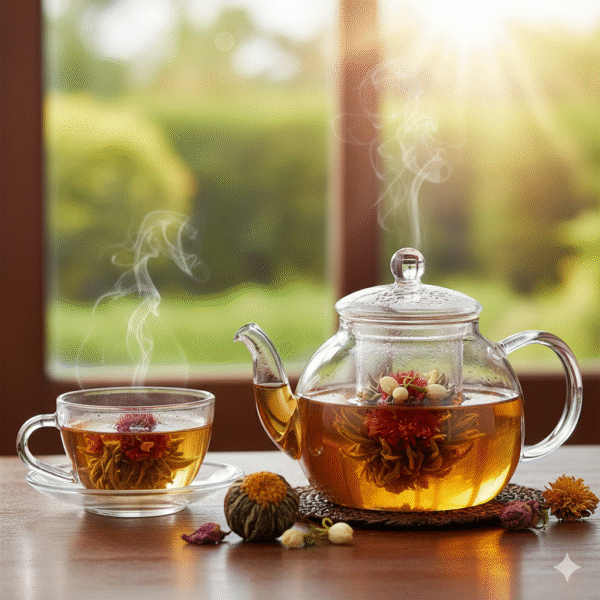
Flowering/Blooming Tea: Artisan teas created by hand, where a bundle of tea leaves is wrapped around one or more dried flowers. When steeped, the bundle unfurls to “bloom” into an artistic display while brewing a delicate tea.
Origins: China